
The Oldest-Standing Wine Traditions

This time of the year traditions, old and new, are the highlights of everyone’s month.
It may come as no surprise, that the world of wine is steadfast in traditions as well. While these may seem like everyday practises, many of them started hundreds of years ago, and while the industry may have strayed away from some, it always manages to come back to them. Here are the top three long-standing traditions in the wine world.
Hand-harvesting
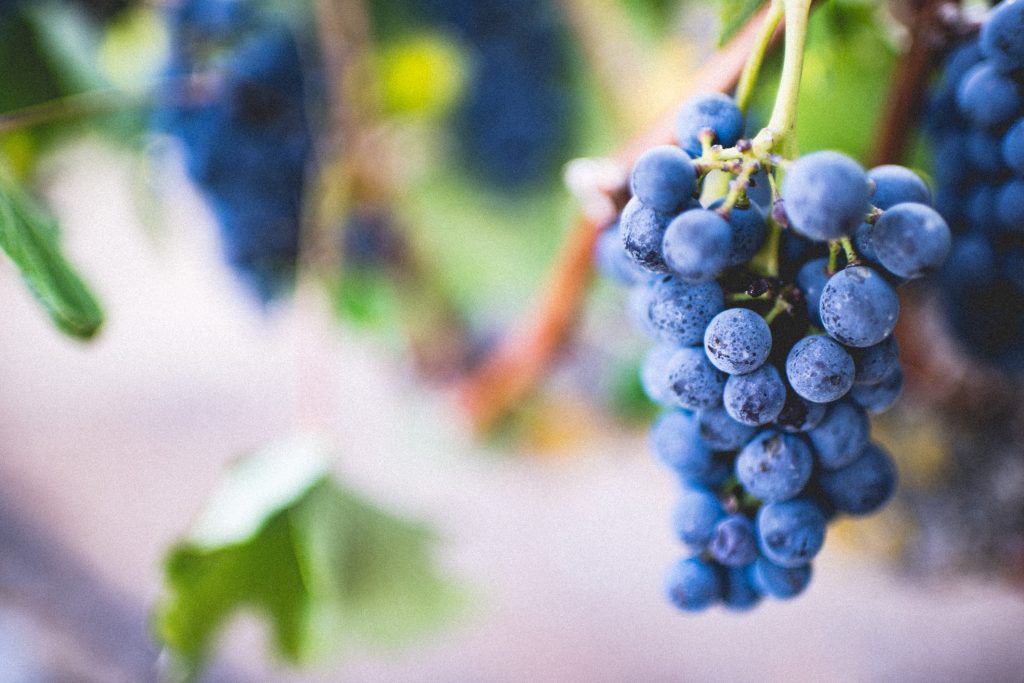
In many parts of the world, hand-harvesting is the only option because of the vineyard terrain. In other parts, it’s a choice to ensure the highest quality fruit. Hand harvest is gentle on the grapes and allows for fruit selection to occur in the vineyard. It also allows for multiple harvests in the same block. For example, a winemaker may ask to have the block partially picked early on to capture the higher acidity and bright citrus notes and the rest of the block to be picked weeks later when the sugar levels are higher and fruit notes are riper. Many regions in Europe, like the Mosel in Germany and the Douro Valley in Portugal, have planted vineyards in what is called terraces along the river’s edge which are not accessible by a tractor. All the vineyard work, including the harvest, has to be done by hand since that’s where the vineyards were planted. In the Okanagan Valley, 95% of the vineyards are tended to by hand, and not always due to terrain. Yes, some slopes are too steep for machines but many vineyards are too small to warrant mechanization. Plus the growers are obsessed with producing quality fruit.
Foot stomping
Over the last century, mechanization has taken over in many industries, including the wine industry. However, in the last few years, we have noticed an industry push back on the modernization of winemaking methods and many producers are adopting ancient winemaking techniques leaning more towards the non-intervention style of production. This means that everything from wild yeast ferments, 100% organic farming and foot-stomping has made a comeback. Although some might think of grape stomping as a bucket list item they’ll check off at the next wine festival, it is actually a viable process used by small producers to initiate the fermentation process in a gentle way. Rather than crushing the grapes in a wine press, grapes get stomped by barefeet (or rubber boots) to break the skins, release the juices and begin the fermentation process.
Use of French oak for wine ageing
French oak has been used in winemaking for over two millennia and despite the availability of American, Slovanian and Hungarian oak barrels, a French oak barrel continues to be the top choice for oaking premium wines. Particularly varieties like Chardonnay and Pinot Noir. The wood’s tight grain allows for slow oxygenation which softens the wine’s tannins while imparting subtle flavours like vanilla, caramel, cloves, and toffee. Oak trees are typically 100+ years old before harvesting and one tree can provide enough wood for two 225-litre barrels. A French wine barrel can cost upwards of $4000 per barrel – an investment well worth it.
Cheers to sticking to traditions at all costs!

Leave a Comment